Code reviews can be a tough and frustrating experience due to long wait times, nitpicking, constant context switching, and many other reasons. GitHub has offered AI-assisted code reviews for quite some time already, but unfortunately Azure DevOps has not. I wanted to see if I could improve the pull request experience by introducing an AI-powered … Continue reading Automated Code Reviews in Azure DevOps using OpenAI models powered by Microsoft Foundry

Tag: yaml
Automate pull request descriptions in Azure DevOps with Azure OpenAI
In this blog, you will learn how to leverage Azure OpenAIβs large language models to generate pull request descriptions based on the changes in your code. Overview The goal is to create seamless automation that summarises the code changes in a pull request using natural language. The text generated by the large language model (LLM) … Continue reading Automate pull request descriptions in Azure DevOps with Azure OpenAI
Chaining Bicep Deployments using Outputs and Stage Dependencies in Azure Pipelines
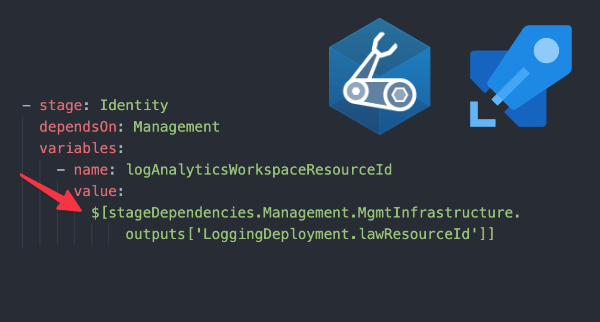
Sometimes, deploying a Bicep template using the preferred main.bicep method is not possible due to insufficient deployment permissions, especially when deploying across different subscriptions. This requires finding alternative ways to deploy your Bicep template, often involving context switching to obtain the necessary permissions. In this blog, you will learn how to leverage Azure Bicep outputs … Continue reading Chaining Bicep Deployments using Outputs and Stage Dependencies in Azure Pipelines
Simplify Azure DevOps agent management with Managed DevOps Pools
I have always had a love-hate relationship with building Azure DevOps agent solutions. However, with Managed DevOps Pools, creating an agent solution is easier than ever. In this blog: You will learn about what Managed DevOps Pools is You will learn how Managed DevOps Pools is placed in Azure and what it does You will … Continue reading Simplify Azure DevOps agent management with Managed DevOps Pools
Setup Azure DevOps Workload Identity Federation using Azure Bicep
In this blog, you will learn how to set up and configure Azure DevOps service connections using workload identity federation through a user-assigned managed identity via an Azure Bicep deployment. This blog covers: A high-level design of how the Azure DevOps services connections are created using Azure Bicep The requirements needed to succesfully configure Azure … Continue reading Setup Azure DevOps Workload Identity Federation using Azure Bicep